Snake Mackerel: Black Snoek
Black Snoek (Thyrsitoides marleyi), also known as the Blacksail Snake Mackerel, are large pelagic predatory fishes found throughout tropical and subtropical waters of the Indo-West Pacific region. They belong to the snake mackerel family (Gempylidae). Their impressive size and distinctive appearance make them one of the more unusual offshore fishes encountered by anglers.
Black Snoek can be recognised by their elongated and compressed body, deeply forked tail, large mouth armed with numerous sharp teeth and dark brown to blackish coloration with metallic reflections.
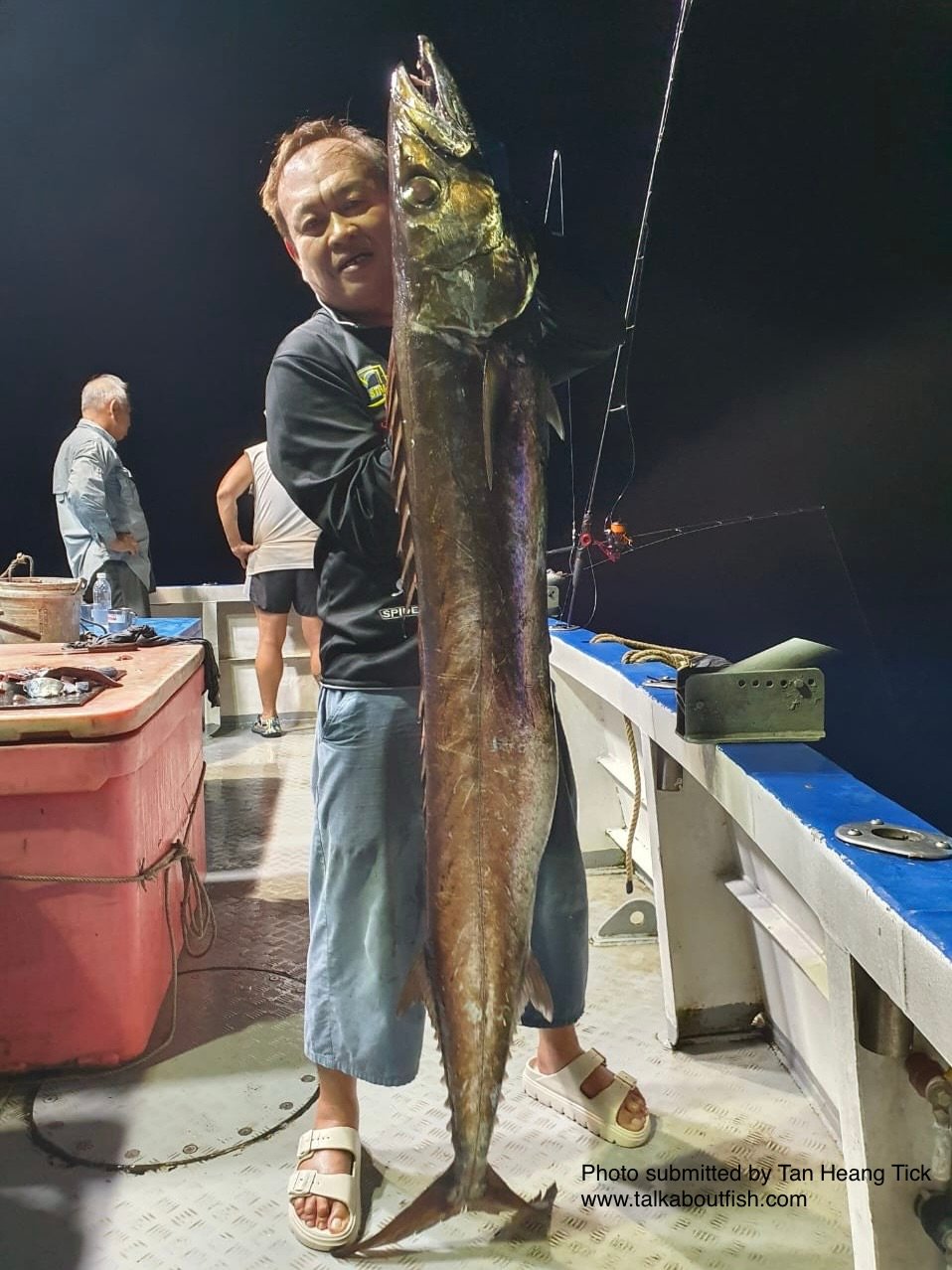
Black Snoek can be distinguished from superficially similar species such as Barracouta (Thyrsites atun), Oilfish (Ruvettus pretiosus) and Escolar (Lepidocybium flavobrunneum) by the presence of two distinct lateral lines, well-developed pelvic fins and the absence of caudal peduncle keels. The two lateral lines originate above the upper gill opening and branch below the fourth dorsal-fin spine. The upper lateral line runs along the base of the first dorsal fin, while the lower lateral line continues almost straight along the middle of the body to the base of the middle caudal-fin ray.
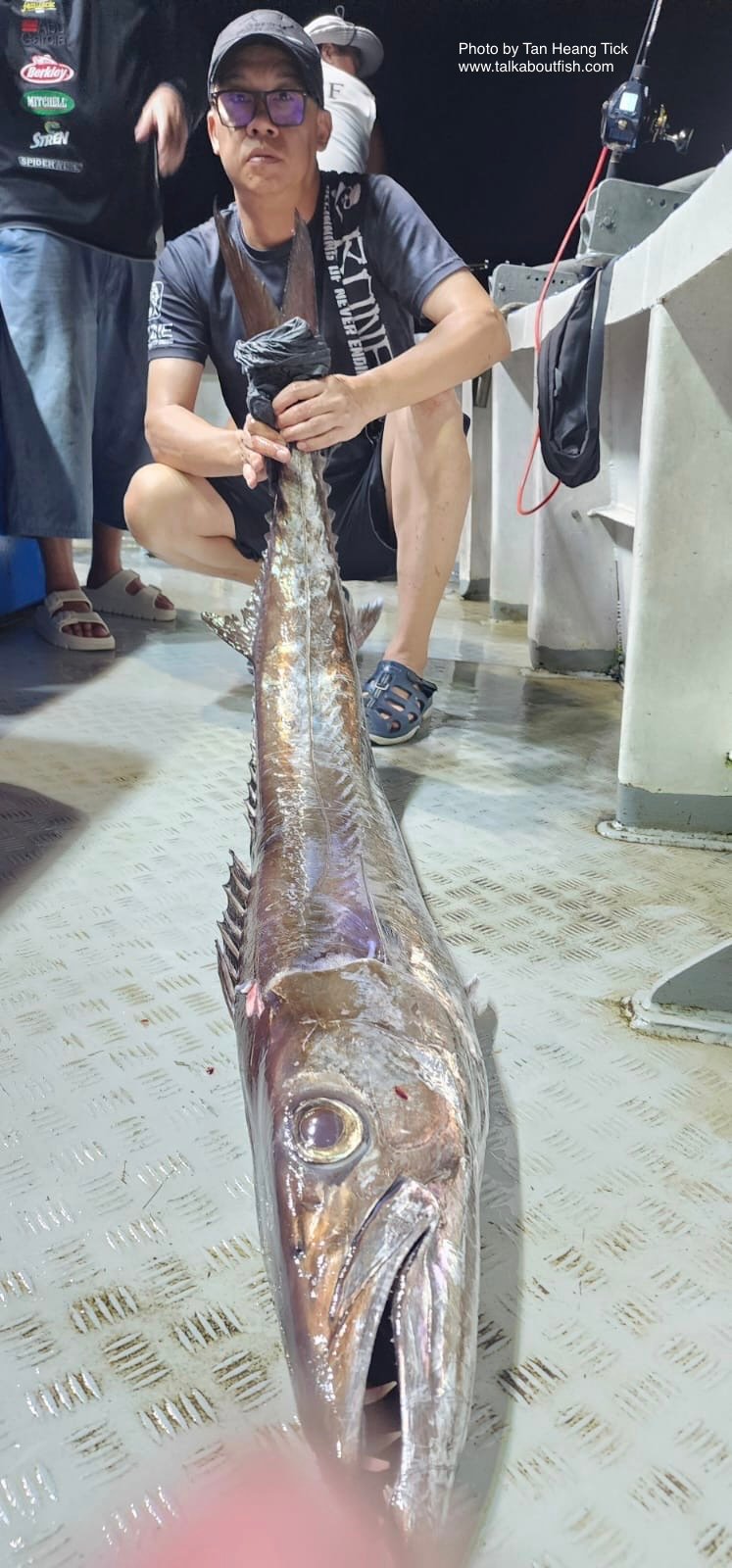
Black Snoek are oceanic predators that inhabit offshore waters where they feed primarily on fishes and squids. They are capable swimmers that occur in large schools in tropical waters and can grow to about 2 metres in length.