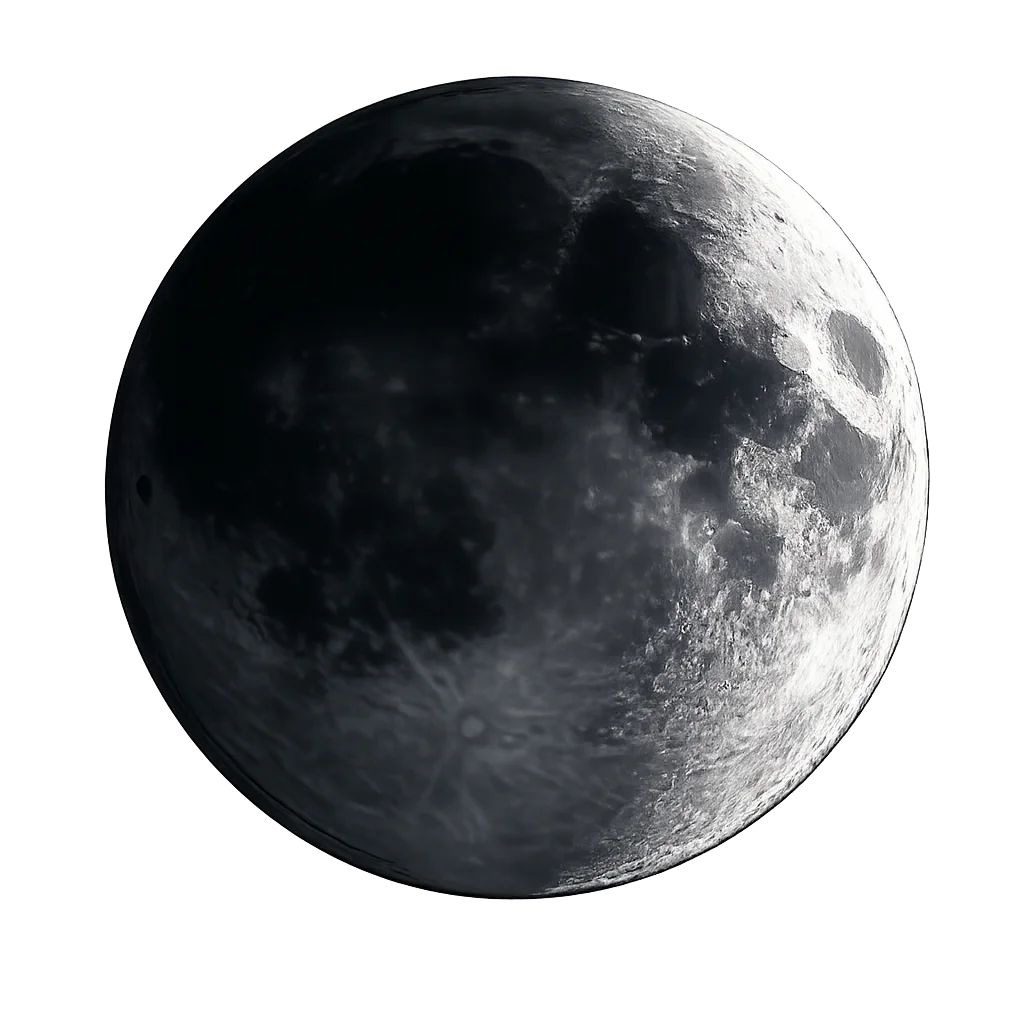
Billfish: Sailfish
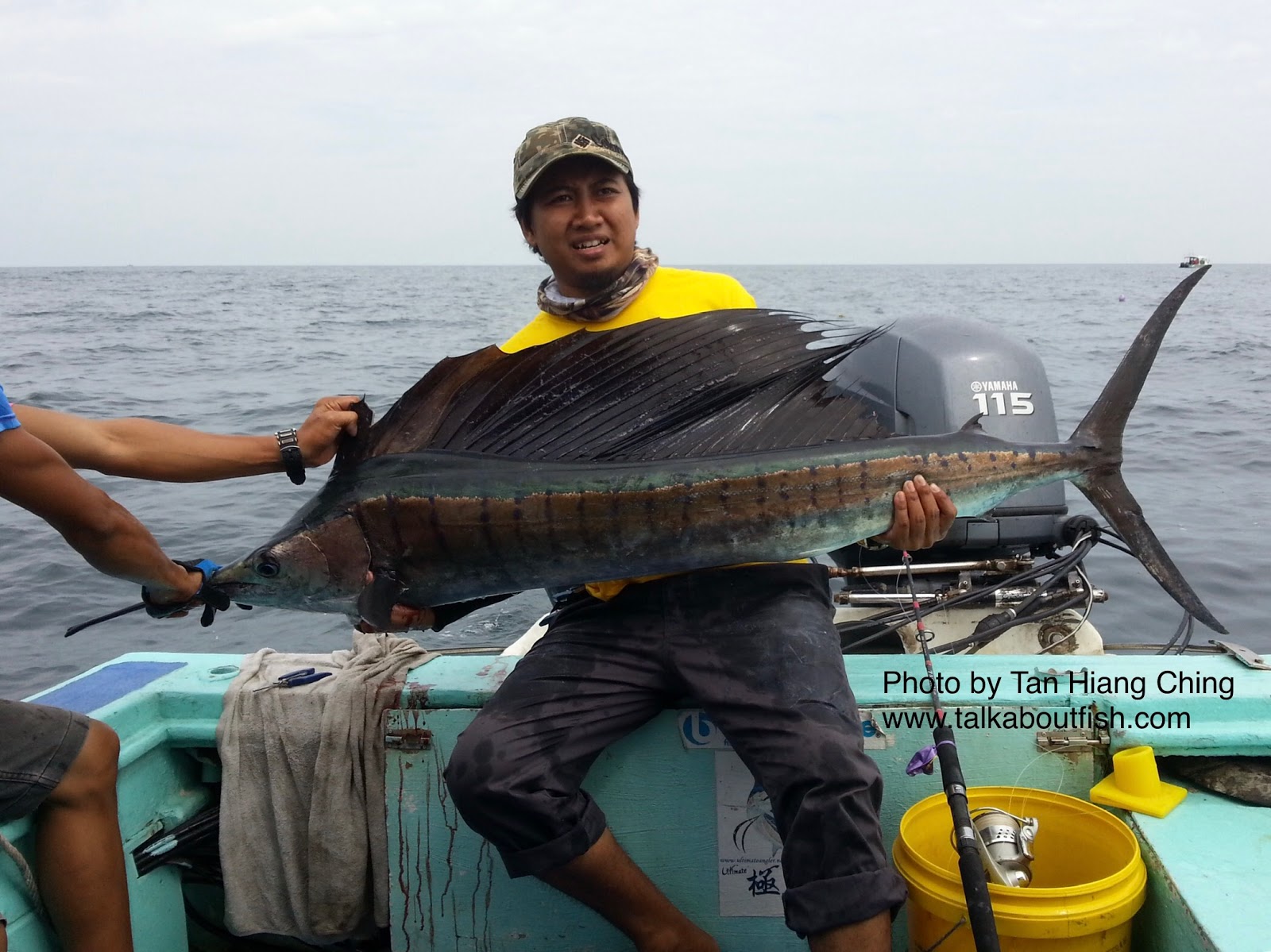
Indo-Pacific Sailfish (Istiophorus platypterus) are large pelagic billfishes of the family Istiophoridae, found throughout tropical and temperate waters of the Indian and Pacific Oceans. They are recognised by their enormous sail-like first dorsal fin, elongated spear-like bill and highly streamlined body. Widely regarded as one of the world's fastest marine fishes, they are among the world's premier game fishes and can grow to about 3.4 m in total length and weigh up to 100 kg.
Sailfish are dark blue above and silvery white below, with numerous rows of pale blue spots along their flanks. Their exceptionally tall first dorsal fin is normally folded flat against the body while swimming but can be raised when threatened, excited or herding schools of baitfish. Like other billfishes, they use their long bill to slash and stun prey before swallowing it.
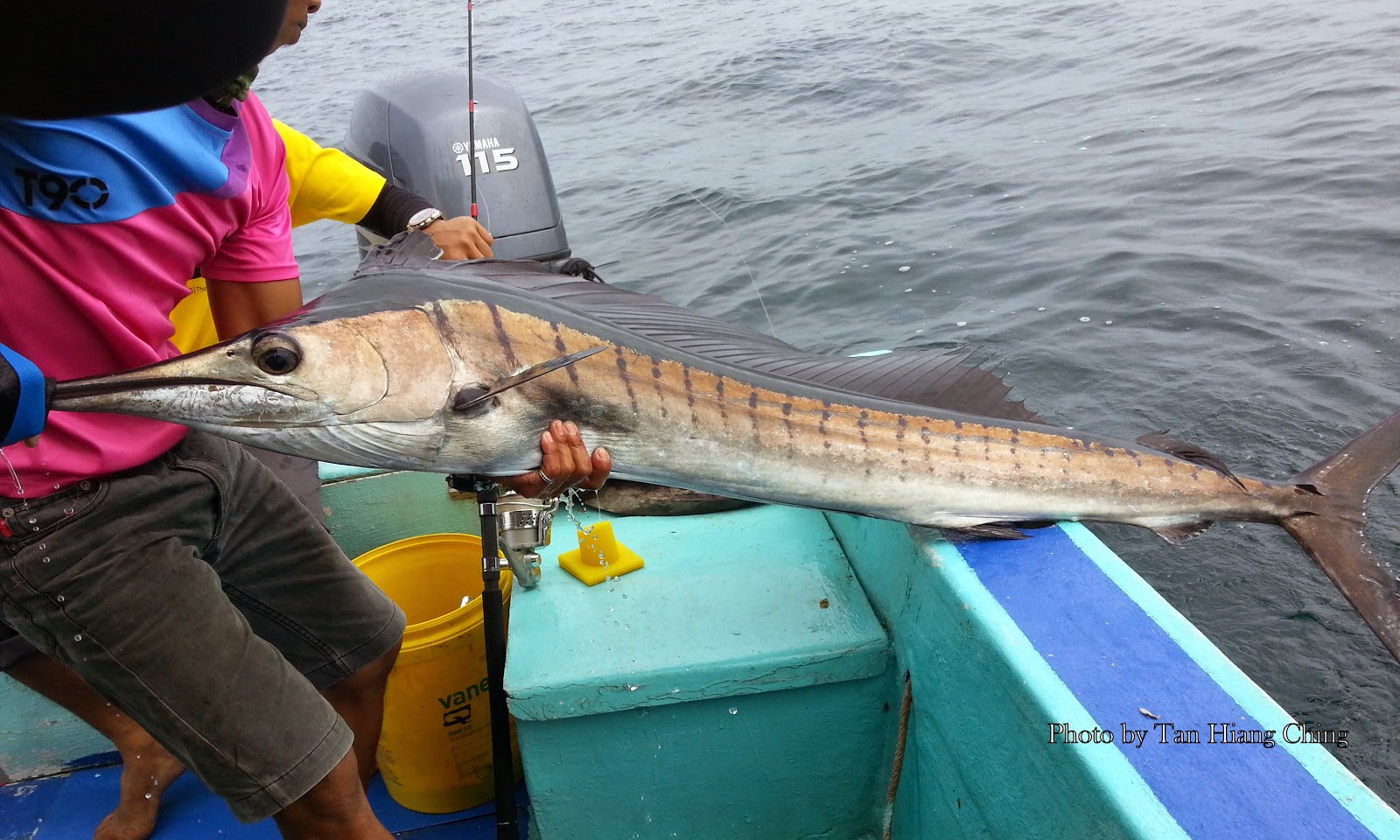
Sailfish are closely related to Black Marlin, Striped Marlin and Blue Marlin (Makaira nigricans), but differ by their greatly enlarged sail-like first dorsal fin, which is much taller than the depth of their body. Unlike Black Marlin, the pectoral fins of Sailfish can be folded flat against the body while swimming.
Indo-Pacific Sailfish inhabit tropical and temperate waters throughout the Indian and Pacific Oceans, particularly around oceanic fronts, continental shelves and areas where baitfish are abundant. In the western Pacific they migrate seasonally into higher latitudes during summer before returning southward to spawn in warmer waters. They are most commonly found in waters between 25°C and 30°C.
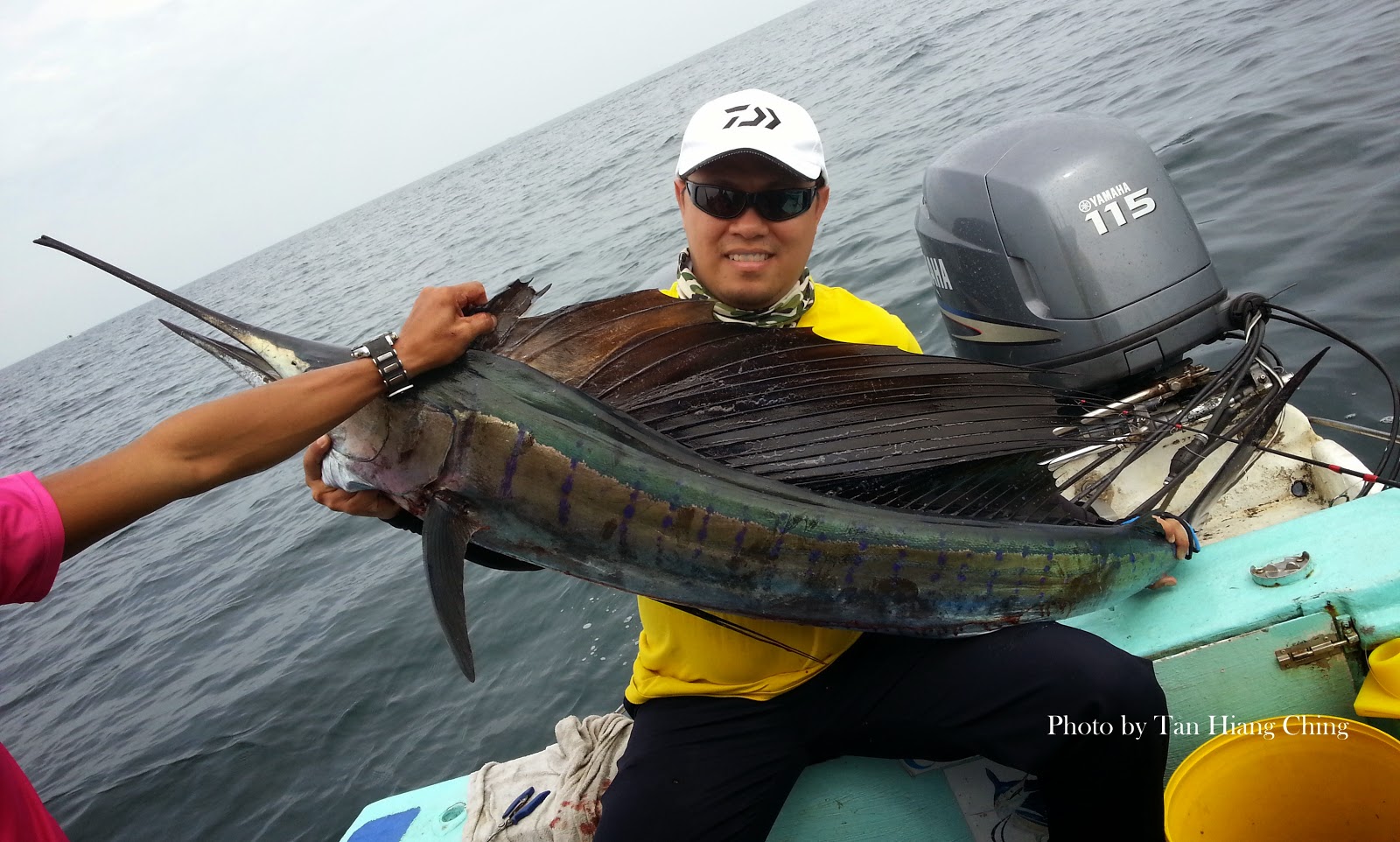
Sailfish are among the fastest-growing billfishes, reaching between 1.2 and 1.5 m during their first year. Females usually grow faster than males and mature earlier. Most adults measure less than 3 m in length and weigh under 90 kg, although exceptional individuals may exceed 3.4 m and reach approximately 100 kg. Their maximum lifespan is estimated to be 13–15 years.
Adult Sailfish are highly active pelagic predators that feed mainly on schooling fishes such as sardines, herrings, mackerels and anchovies, together with squids and octopuses. They spend most of their time within the upper mixed layer of the ocean, occasionally diving to depths of more than 300 m while hunting. Activity is greatest during daylight hours, although Sailfish may also feed at night during periods of bright moonlight.
Sailfish are well known for their cooperative hunting behaviour. Working together, they herd schools of baitfish into dense balls near the surface before taking turns to slash through the school with their bills. This coordinated strategy stuns or injures individual prey, making them easier to capture while reducing the risk of striking other Sailfish.
Sailfish can be caught using drifting, trolling, popping, casting, jigging and fly fishing techniques. In Malaysia, drifting live bait such as mackerel, scad or sardines beneath a balloon is one of the most effective methods. The struggling baitfish attracts nearby Sailfish, which often strike before making a series of fast runs and spectacular aerial leaps.
A relatively soft rod with good lifting power helps maintain constant line tension during the fight. Many anglers favour 30–40 lb mainline with a 40–60 lb leader and barbless circle hooks to improve survival when practising catch and release. Landing the fish quickly reduces exhaustion and improves its chances of survival after release.
Other names for the fish:
A`urepe, Androaro, A'u lepe, Badban-mahi, Bashôkajiki, Bécasse de mer, Boohoo, Bwagilum, Cá Cờ, Cá Cờ buồm, Daanbeeri, Dienou doungue, Djangilus, Dogso, Dot-sae-chi, Douaro, Dumosok, Dyab lavwal, Empereur voilier, Espadon voilier, Faras, Fung-hibaru, Geulang pajang, Haku piu, Hakulā, Ha'urepe, Hohoo malays, Ikan layaran, Indo-Pacific Sailfish, Jangilus, Kandayan, Kandelan, Kheil al bahar, Kunga, Landjareng, Lanjara, Layaran Pasifik, Lemperyal, Lijarang, Liplipan, Lip-lipan, Lkajar plajaren, Malakay, Malasugi, Malasugue, Mantarompa, Manumbok, Mayilmeen, Mbassi, M'Bassi kouri, M'Bassi maranga, Melayare, Menumbok, Mersuji, Mibassi kouri, Moharechoh, Mpassi kouri, Mwaralasho, Mwárenóró, Myl meennd, Mylmeen, Ndoaro, Ndwaro, Nsuli nsuli, Olameen, Ola-meen, Panombuk, Parusnik, Parusnik ryba, Parusnik-ryba, Pazifischer Segelfisch, Purikala, Purjekala, Pysgodyn hwyliog, Rayan, Sa' u laca, Saku vorowaqa, Sansul, Sa'ula-lele, Segelfisk, Seilfisk, Seilvis, Selayar, Stillehavssejlfisk, Stuji stuji, Suruveilaru, Susay, Tadmachhi, Tadmasa, Taghalar, Te iriri, Te rakuriri, Te sakula, Tekrar, Thalapath, Thalapatha, Thalapathu, Tuaniu, Tumbuk banir, Ujilleb, Velodor, Voilier, Voilier indo-pacifique, Yemungolah, Zaglica, Żaglica pacyficzna, Zegl-fisch, парусник, Парусник индо-тихоокеанский, तदमासा, કુંગા, તદમછછી, ഒളമീന്, ഓല മീന്, 돛새치, 东方旗, 平鰭旗魚, 平鳍旗鱼, 東方旗魚, 灰旗魚, 灰旗鱼, 雨伞旗鱼, 雨傘旗魚, 雨笠仔